Hygiene Institute
Data driven public health identity
Moira Visuals developed a contemporary public sector identity for the Hygiene Institute of Lithuania, an institution operating at the intersection of public health, data analytics, research, and education. The new identity supports institutional transformation and reflects a shift toward system based, data informed healthcare governance.


Client and Collaboration Overview
The Hygiene Institute operates under the Ministry of Health of the Republic of Lithuania and delivers a wide spectrum of services including public health monitoring, epidemiology, environmental health, medical statistics, laboratory testing, and professional education. Due to the scale and complexity of the institution, the design process involved not only executive leadership and communication teams but also a broad internal community of specialists. Moira Visuals designed and facilitated a structured co creation framework that enabled meaningful participation from approximately two hundred employees. This approach ensured internal alignment while preserving visual coherence and strategic clarity. The collaboration positioned identity design as an organizational process rather than a purely visual task.




Project Objectives
A key requirement was to avoid the medical cross symbol, which is legally protected and widely overused in healthcare branding. The identity needed to communicate medical relevance without relying on conventional iconography. Another objective was to reflect the Institute’s role as a data driven public health authority operating across research, statistics, prevention, laboratories, and education. The brand had to function as a flexible system capable of representing diverse functions without fragmenting visually. Inclusivity, internal adoption, and long term usability across digital and institutional environments were critical success criteria. The identity was also expected to align with broader structural changes within the organization.


Project Outcomes
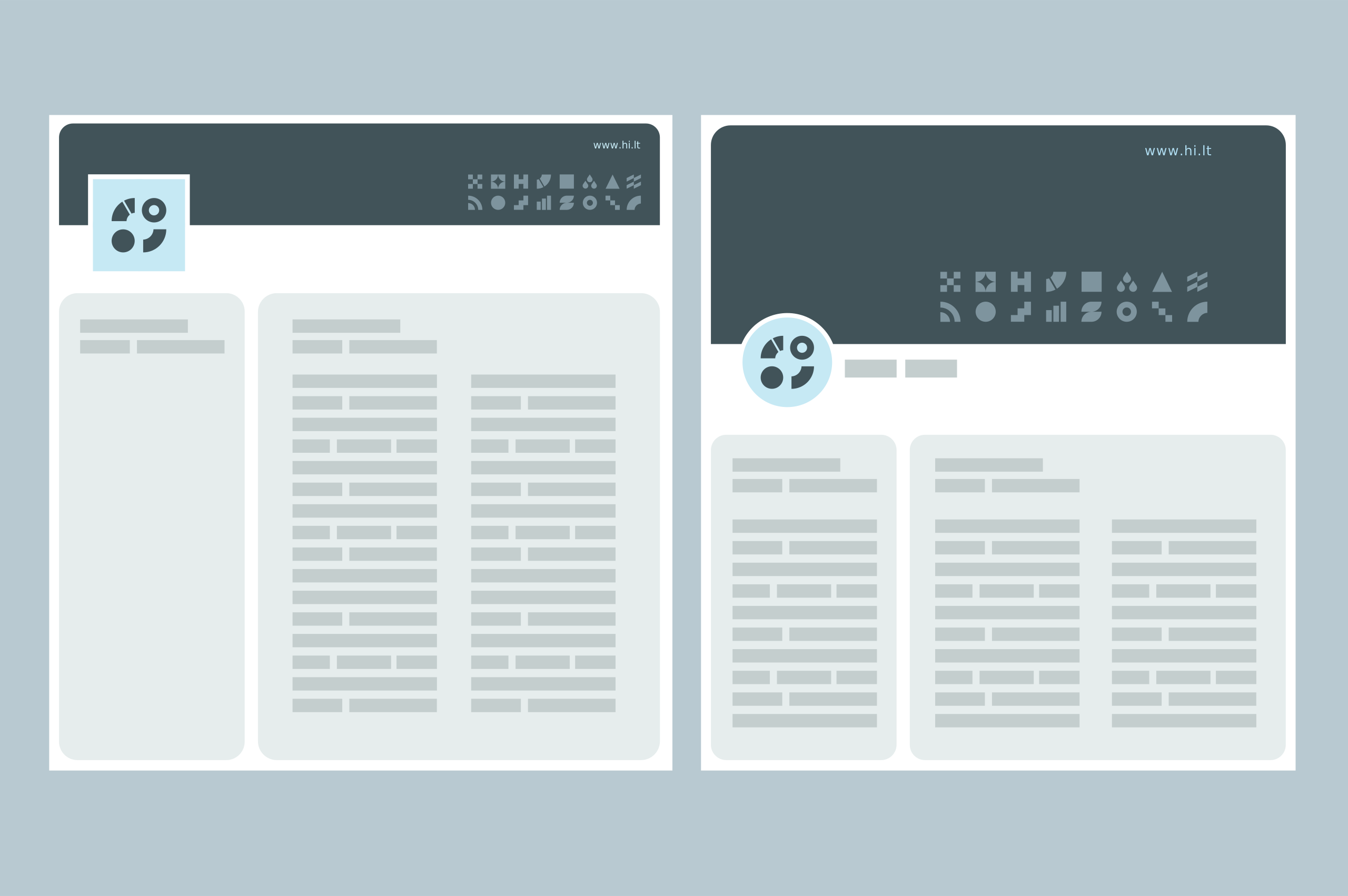
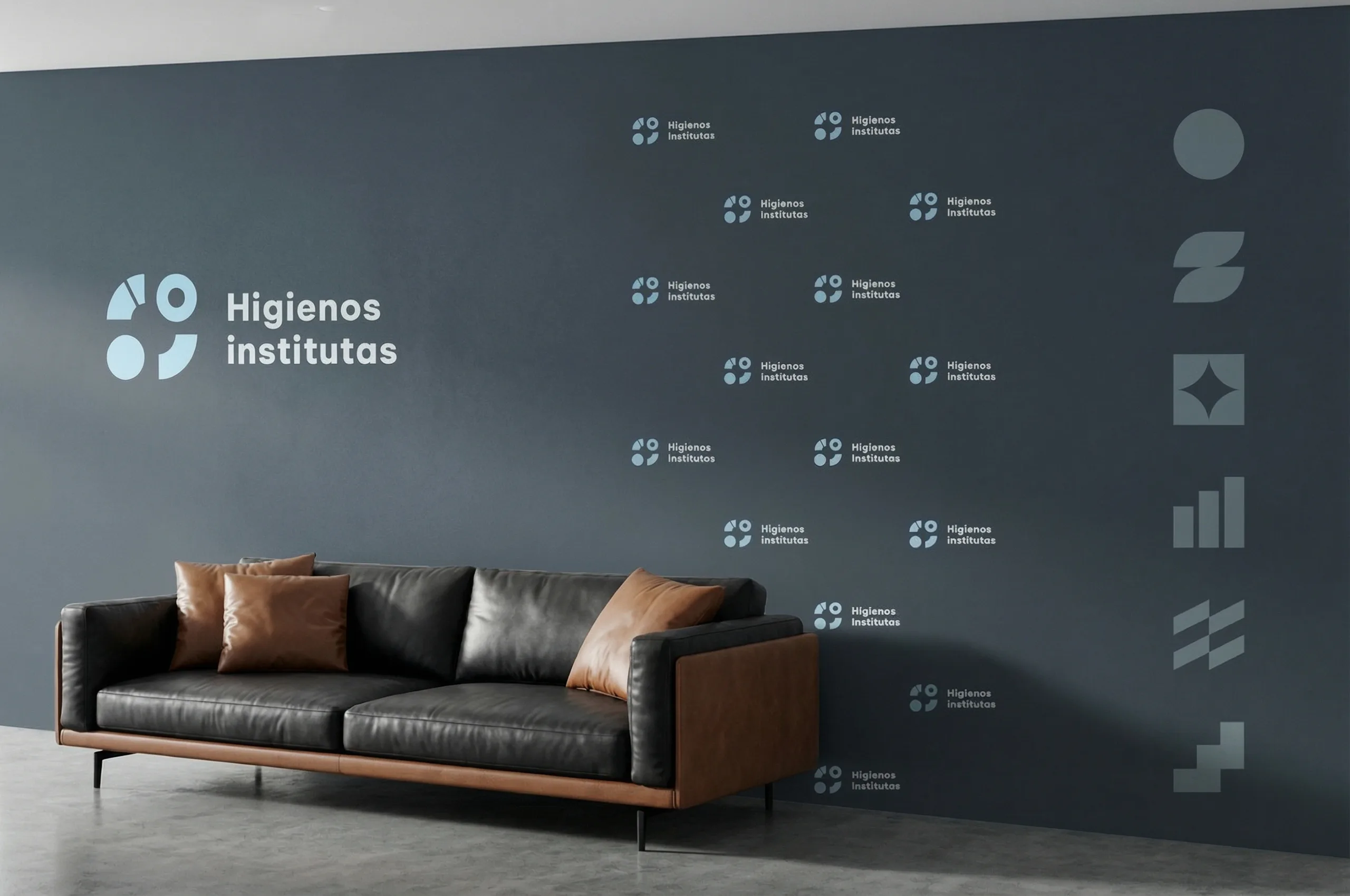
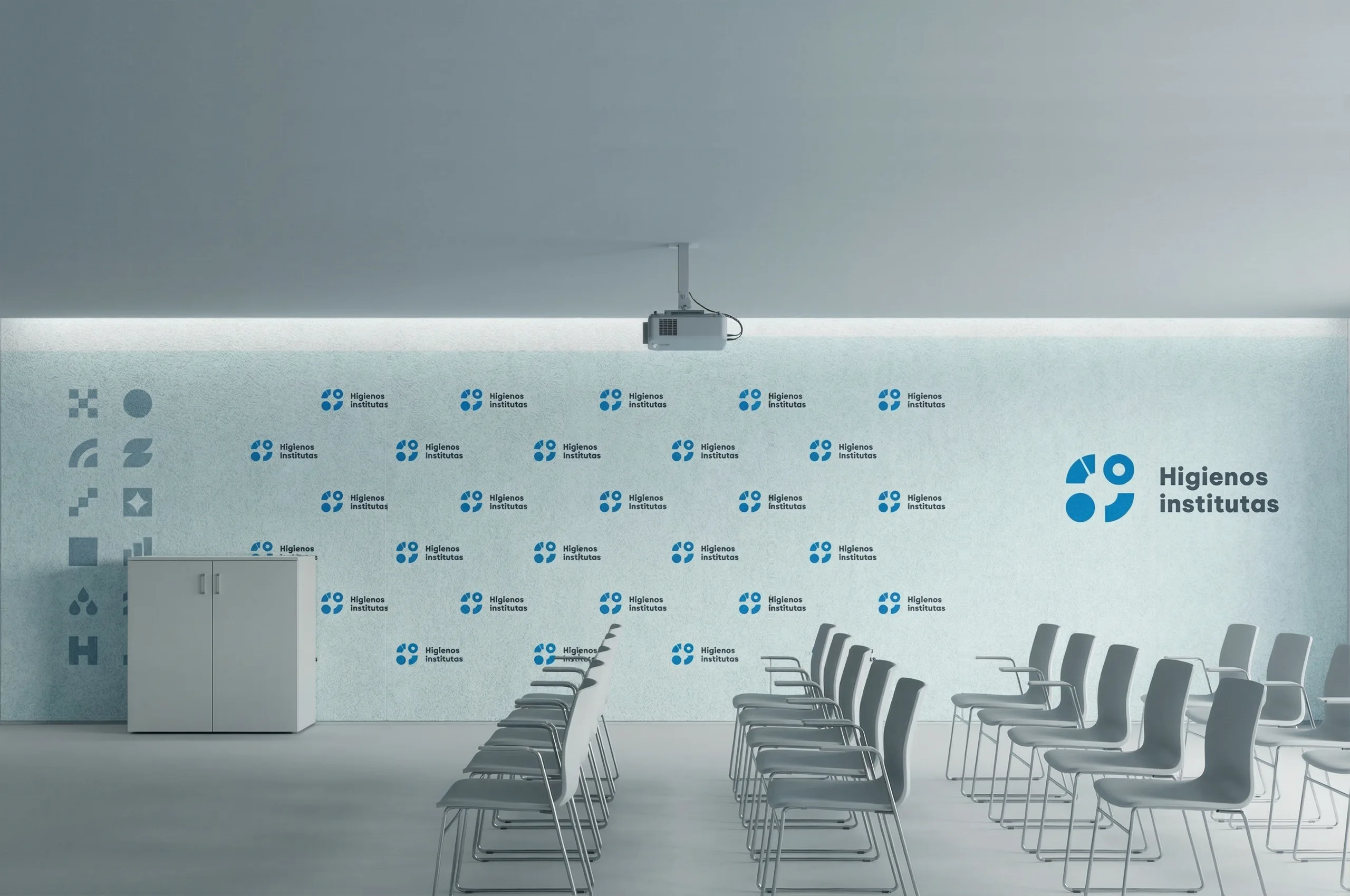
We created a dynamic identity system built around a modular cross structure derived from a spinal axis rather than a literal symbol. Four interchangeable graphic elements are positioned within this structure, enabling the logo to be reconfigured while remaining instantly recognizable. The circular forms reference human centered design, systemic completeness, and continuous improvement, while segmented arcs visually connect to data visualization logic such as statistical charts and indicators. The system supports generative use across communication materials, digital platforms, and internal tools. A participatory design method was implemented using physical modular elements, allowing employees to construct and vote on identity combinations, strengthening ownership and institutional trust. The final result is a scalable public sector brand system optimized for data communication, governance clarity, and digital adaptability.